


As a leading grey fabric manufacturer with over two decades of expertise in textile production, we specialize in high-quality TR (Polyester-Cotton Blend) fabrics-versatile materials that combine the best of synthetic and natural fibers. This guide explores TR fabric in depth, including its composition, key properties, advantages, drawbacks, and ideal applications, helping you make informed decisions for your projects.
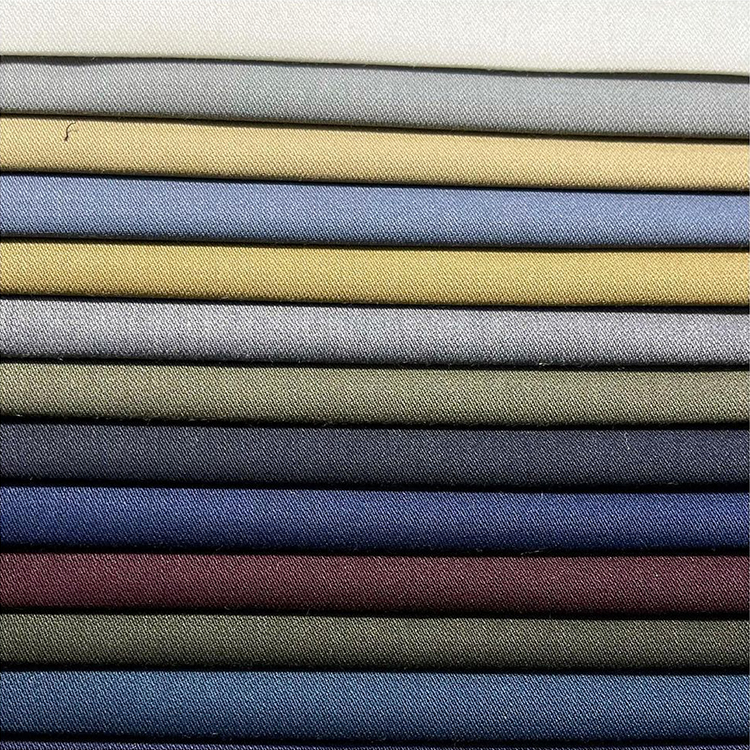
What is TR Fabric?
TR fabric (short for "Polyester-Cotton Blend") is a hybrid textile created by blending polyester (a synthetic fiber) with cotton (a natural fiber). The most common ratio is 65% polyester to 35% cotton (65/35 TR), though other blends (e.g., 50/50, 70/30) are also available, depending on the desired performance. This blend leverages polyester's durability and cotton's softness, creating a fabric that balances functionality and comfort.
Key Properties of TR Fabric
Strength & Durability: Polyester contributes high tensile strength, making TR fabric resistant to tearing, abrasion, and pilling-ideal for heavy-use applications.
Wrinkle Resistance: Polyester's inherent wrinkle resistance minimizes creasing, even after prolonged use or packing.
Moisture Management: Cotton adds natural breathability and moisture absorption, wicking away sweat while keeping the fabric dry.
Easy Care: Resistant to shrinking and fading when properly treated, TR fabric requires minimal ironing and retains color vibrancy after washing.
Versatility: Available in various weights (180–320gsm) and finishes (e.g., oxford, twill, plain), it adapts to diverse applications.
Advantages of TR Fabric
Cost-Effective: Blending polyester (inexpensive) with cotton (premium) lowers production costs while maintaining quality.
Durability: Outperforms pure cotton in abrasion resistance and dimensional stability, extending the lifespan of garments or textiles.
Weather Resistance: Polyester's hydrophobic nature repels water and UV rays, making TR fabric suitable for outdoor or industrial use.
Customizability: Easily dyed, printed, or treated (e.g., with water repellents, flame retardants) to meet specific design or functional needs.
Comfort: Cotton's softness ensures TR fabric feels gentle against the skin, even in blends with higher polyester content.
Disadvantages of TR Fabric
Reduced Breathability vs. Pure Cotton: Higher polyester content (e.g., 70/30 blends) limits airflow, making it less ideal for ultra-hot or humid climates.
Lower Absorbency: Cotton's moisture-wicking properties are muted in TR blends, so heavy sweat may feel less comfortable compared to 100% cotton.
Potential Pilling: While more resistant than pure polyester, low-quality TR fabrics (with loose weaves or poor yarn twist) may still pill over time.
Environmental Impact: Polyester is derived from petroleum, raising sustainability concerns unless recycled or blended with organic cotton.
Ideal Applications of TR Fabric
Workwear & Uniforms: Durability and wrinkle resistance make it perfect for industrial uniforms, medical scrubs, and hospitality staff attire.
Outdoor Apparel: Water-resistant and quick-drying properties suit hiking pants, camping gear, and lightweight jackets.
Home Textiles: Bedding, curtains, and upholstery benefit from easy care and fade resistance.
Casual Wear: T-shirts, jeans, and bags where a balance of softness and sturdiness is key.
Why Choose Our TR Fabrics?
At [Your Company Name], we prioritize quality and innovation in every step of TR fabric production:
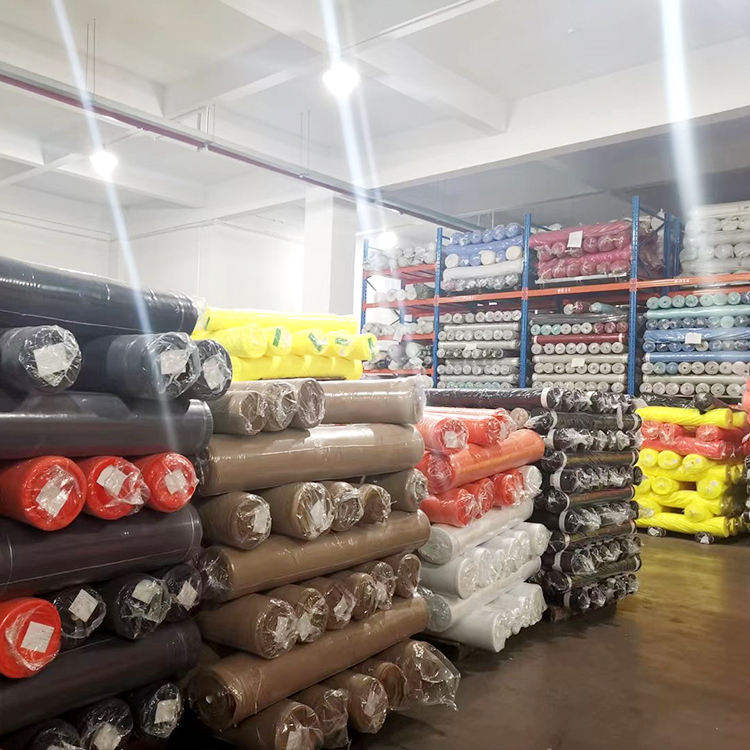
Advanced Technology: State-of-the-art spinning, weaving, and finishing facilities ensure precise control over blend ratios, fabric weight, and texture.
Stringent Quality Control: All fabrics undergo testing for tensile strength, shrinkage, color fastness, and pilling resistance, meeting international standards (OEKO-TEX®, ISO 9001).
Custom Solutions: We offer tailored blends (e.g., 50/50, 60/40), weights, and finishes (e.g., softening, water repellent) to match your brand's specifications.
Sustainability Commitment: We source eco-friendly raw materials (e.g., recycled polyester, GOTS-certified cotton) and optimize production to reduce waste.
Contact Us
📞 Tel.: +86-18884240671
📧 Email: terry@yeuloum.com
🌐 Website: https://www.jhdtex.com


