


Waterproof fabrics are specialized materials that can withstand the penetration of water and moisture, while maintaining the functionality and durability . their development and use play a key role in such industries, the production of workwear, tourist equipment, medical equipment and military equipment.} waterproof tissues, their characteristics and areas of use.
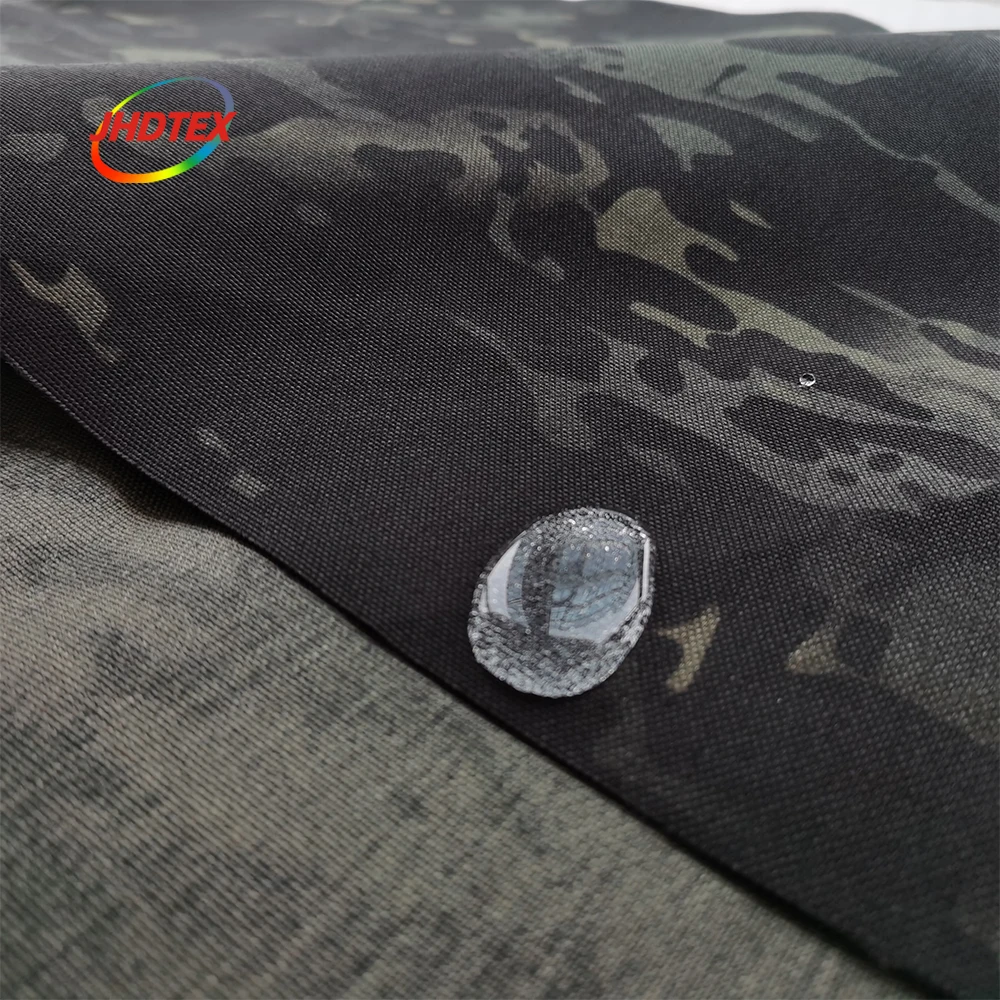
1.Polymer fabrics (PVC, polyurethane)
Polymer coatings, such aspolyvinyl chloride (PVC)AndPolyuretan (PU), applied on the basis of polyester or nylon, creating a dense barrier against water .
- PVC twalThey are characterized by high mechanical strength and resistance to chemical influences, which makes them ideal for the production of tents, cargo covers and industrial coatings .}}}
- Polyurethane membranesMore flexible and light, which are used in the production of sportswear, shoes and backpacks .
- Advantages: durability, affordable cost .
- Flaws: limited breathability .}
2.Membrane fabrics (for example, gore-tex®)
Membrane technologies are based on a multi -layer structure, where the microporous membrane passes the evaporation of the body outward, but blocks the ingress of water from the outside .}}
- EPTFE membrane(expanded polytetraforoethylene) are used in high -tech clothing for mountaineering and extreme tourism .
- Hydrophilic membranesThey work due to the absorption and transportation of moisture, suitable for everyday equipment .
- Application: jackets, tents, sleeping bags .
- The key parameter: water resistance is measured in mm water column (for example, 20 000 mm - extreme conditions) .}}
3.Soaked fabrics (wax, Teflon)
Historically, one of the first methods of creating water resistance wasvain(for example, fabricB Waxed Cotton) . Modern analogues use the impregnation with Teflon or silicone:
- Teflon treatmentcreates a hydrophobic layer, repulsive water and dirt .
- Silicone impregnationsincrease the elasticity of the material, which is relevant for sails and sports equipment .
- Areas of use: work clothes, accessories for yachting .
4.Highly synthetic fabrics
Nylon and polyester with high weaving density (for example,Cordura®) ensure water resistance due to the physical structure of the fibers . Additional DWR (Durable Water Repeller) processing enhances the protection .}}}}}
- Examples: tactical clothes, backpacks for military operations .
5.Environmentally friendly innovations
Modern trends include the development of biodegradable coatings (based on corn starch) and processed materials . for example, fabricECONYL®From the redesigned nylon, environmental friendliness and waterproofing properties are combined .
Fabric selection criteria
When selecting the material, take into account:
The level of water resistance (ISO 811, ASTM D3393) .
Air permeability (RET-index) .
Stability to abrasion (Martindale test) .
The temperature range of operation .}
Conclusion
A variety of waterproof fabrics allows you to solve the problems of protection in extreme conditions before creating environmentally friendly products . Technologies continue to develop: hybrid membranes, hinges and "smart" materials open up new opportunities for industry and consumers { responsibility .
Sichuan Jia Hong daxtile Co ., Ltd . offers comprehensive solutions from research and development to production and logistics .}}}
We guarantee:
Individual approach to each client
Fast delivery
Technical support and certification of products .
Contact us right now!
Tel .+86-18884240671
Mail: terry@yeuloum.com
Site: https: // www . jhdtex . com/


